Designer handbags have a rich and colorful history that reflects changing trends and cultural movements over the decades. The story begins in the early 20th century when luxury brands like Louis Vuitton and Hermès started creating bags that combined functionality with high-end fashion. These early pieces were more than just accessories; they represented a lifestyle of elegance and status.
In the 1920s and 1930s, handbags began to evolve alongside societal changes. The rise of cinema and the influence of Hollywood introduced new styles and represented aspirational living. Women wanted to emulate the glamorous life of movie stars, and brands began to adapt their creations to meet this demand. Satchels, clutches, and structured bags became popular, often adorned with signature logos and intricate designs.
Fast forward to the 1980s and 1990s, when designer handbags became a symbol of wealth and exclusivity. Brands like Chanel and Gucci capitalized on this trend, launching iconic pieces that quickly became must-haves. The introduction of limited edition bags made them even more desirable among fashion enthusiasts. Collecting these handbags became a hobby, often viewed as an investment due to their potential to appreciate in value.
Today, designer handbags are more accessible than ever, thanks in part to collaborations between high fashion and streetwear brands. The market is constantly evolving, with emerging designers bringing fresh ideas and inclusive designs. Whether you're a seasoned collector or a first-time buyer, there's no denying that the world of designer handbags continues to fascinate and inspire with each new creation.
Iconic Styles That Changed Fashion
When we think about fashion, certain styles instantly come to mind, especially when it comes to designer handbags. These iconic pieces have not only defined eras but also changed how we view accessories altogether. Let’s take a stroll down memory lane and look at a few styles that made a huge impact on the world of fashion.
The Chanel 2.55 is perhaps one of the most recognizable handbags out there. Launched in 1955, this bag brought a new approach to women’s fashion with its chic yet functional design. With its quilted leather and chain strap, it was designed for the modern woman who needed both style and practicality. It's still sought after today and has inspired numerous imitations.
Then there’s the Hermès Birkin, which took luxury to a whole new level when it hit the scene in the 1980s. People loved this bag for its exclusivity and craftsmanship. The classic design, along with the waitlist that seems never-ending, has made it a coveted status symbol. Each Birkin is a testament to skilled artisanship, making it both a work of art and a practical tote.
Don’t forget the Louis Vuitton Speedy. This bag began its journey in the 1930s and quickly became a favorite due to its sleek shape and versatility. It's perfect for day trips or as an everyday bag. The signature LV monogram has made it not just a handbag but an iconic piece that represents the spirit of travel and adventure.
These handbags have shaped not just fashion trends but also personal style for countless individuals. Whether you’re a fashionista or just someone who appreciates quality, these iconic pieces remind us of how far we've come in the realm of designer accessories.
How to Choose Your Perfect Bag
Choosing the right designer bag can feel a bit overwhelming, but it doesn’t have to be! Start by thinking about your lifestyle and how you plan to use the bag. Do you need something for everyday use, or are you looking for a statement piece for special occasions? This can really help narrow down your options.
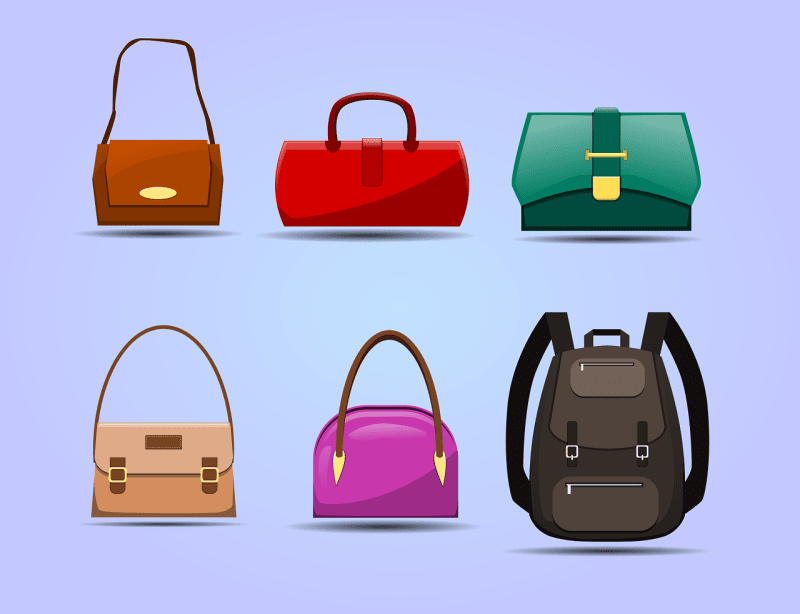
Next, consider the size and shape of the bag. If you’re someone who carries a lot of stuff, a larger tote might be your best friend. On the other hand, if you prefer to travel light, a chic crossbody bag could be just what you need. Think about where you’ll be taking your bag and what you typically carry—this can make a big difference in your choice!
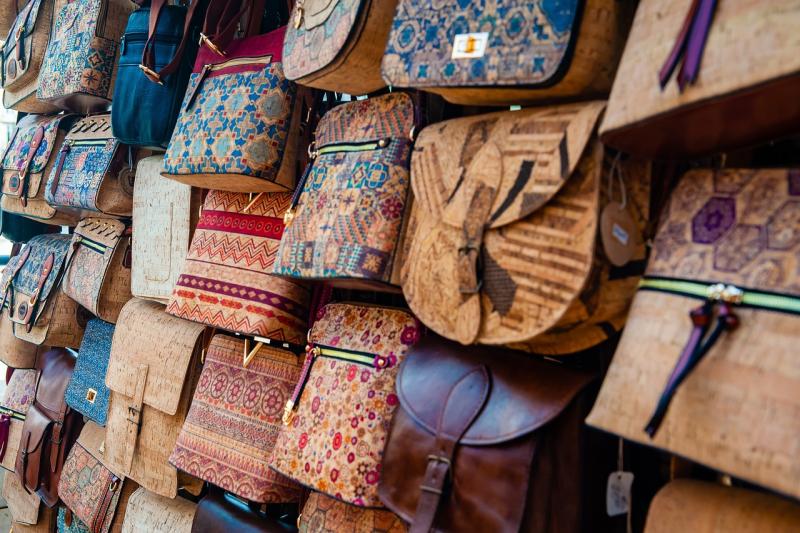
Don't forget about the materials! Leather, canvas, or even nylon can affect not just the look, but also the functionality and durability of the bag. If you’re looking for something low maintenance, you might want to go for a material that’s easy to clean. On the flip side, if you adore that luxe leather feel, be prepared for some upkeep.
Lastly, set a budget. Designer handbags can vary significantly in price, so it’s important to know what you’re comfortable spending. Keep an eye out for sales or pre-owned options if you want to snag a great deal. Remember, a bag is an investment, so it should reflect your style and needs!
Caring for Your Designer Handbag
First things first, always store your handbag properly. Use the dust bag that came with it or a soft, breathable fabric to protect it from scratches. Avoid hanging it on hooks, as this can distort the shape. Instead, store it in a cool, dry place away from direct sunlight to prevent fading.
Next, be mindful of what goes inside your bag. Heavy items can cause the structure to sag. Try to lighten the load and organize the contents to keep it balanced. Regularly clean out any crumbs or small debris so it stays fresh and tidy.
When it comes to cleaning, use a soft, damp cloth to wipe down the exterior. For leather bags, consider applying a leather conditioner every few months to keep it supple. Always test any products on a small, inconspicuous area first, just to be safe!
If your bag gets a stain, don’t panic! Address it quickly, but don't scrub too hard. Use a specialized cleaner if necessary. Remember, it’s always a good idea to check the care instructions from the brand for specific advice tailored to your handbag. Taking these steps will help ensure your designer handbag looks as stunning as the day you bought it!